Visited on: May 3, 2025 (Constitution Memorial Day)
Itami Museum & Shirayuki Brewery Restaurant Choujugura
🌸 A Quiet Morning Escape from the Holiday Rush
To avoid the crowds of Golden Week, I left early in the morning.
As the train moved away from the busy city center,
the view outside the window slowly shifted to calm residential streets.
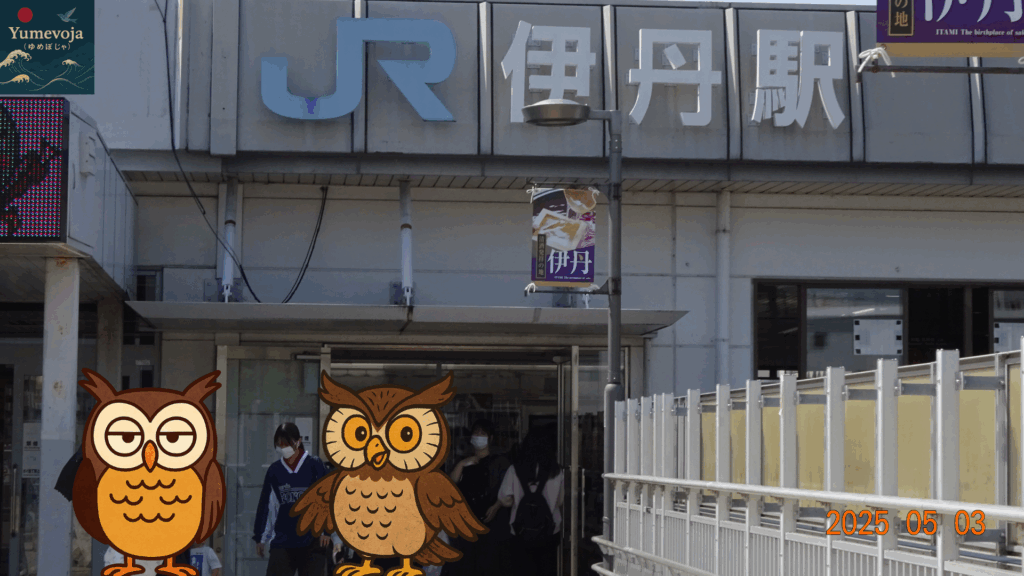
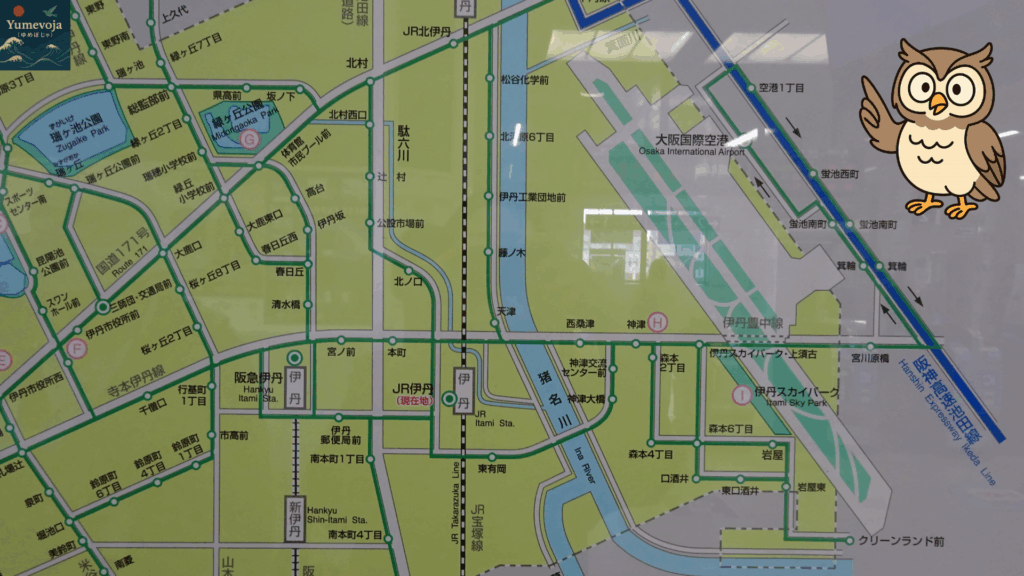
Today’s destination was Itami — a town where culture and aviation coexist.
There was something nostalgic in the air,
and I could feel myself settling into the rhythm of the journey.
🏛️ “Animal GATAN” Exhibition at Itami Museum
The museum I arrived at felt calm and quiet.
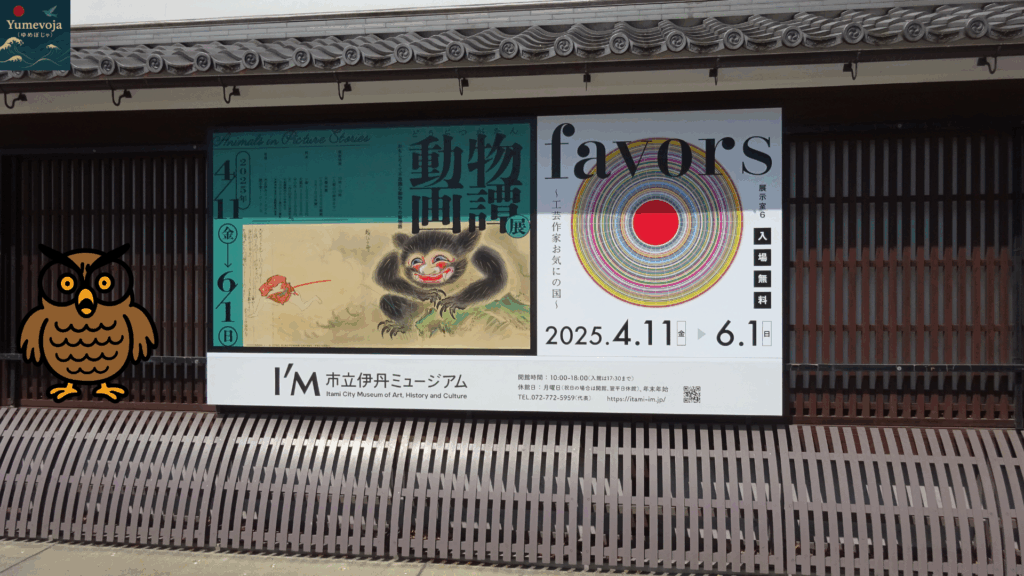
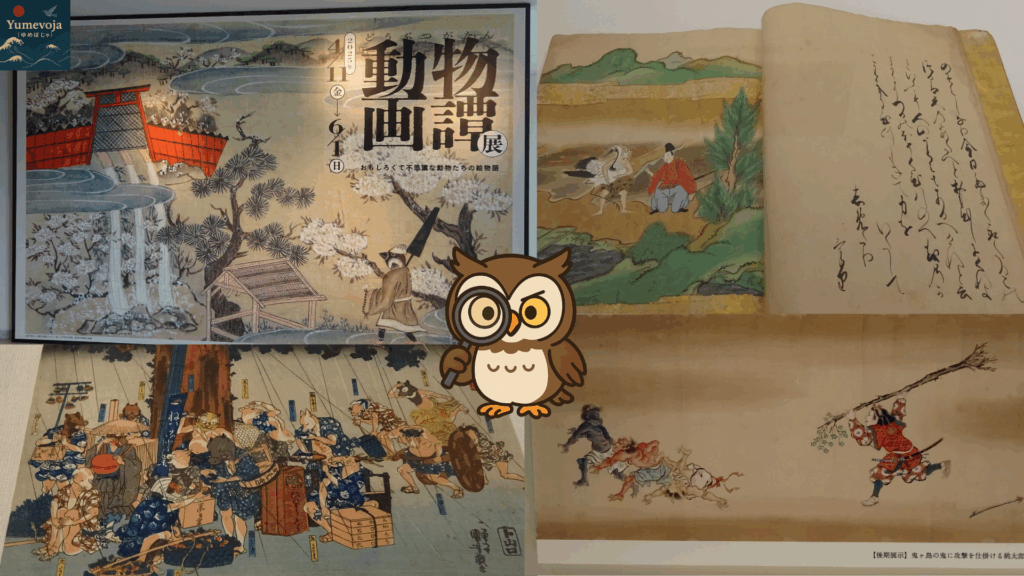
A poster at the entrance showed a bold image from the “Animal Gatan” exhibition,
and it instantly pulled me into its world.
Its strange charm reminded me of the roots of today’s animation,
and I waited for the doors to open with a small thrill in my chest.
Inside the gallery, I was greeted by paintings of personified animals and tools.
Scissors and chestnuts were depicted as if they had emotions of their own.
The contrast between the vivid colors of noble figures
and the soft, dreamlike tones of old folktales was stunning —
proof of the refined aesthetic sensibility of Edo-period artists.
The artists of Edo were not merely painting —
they were expressing a philosophy of life
through the relationships between people and animals.
📘 A Small Challenge in Illustration
As I viewed the works, new ideas for illustration came to mind —
ideas for use in photo design and for my ongoing French “Folktale Gacha” series.
Each artwork offered inspiration for how traditional motifs
could be reimagined in modern creative projects.
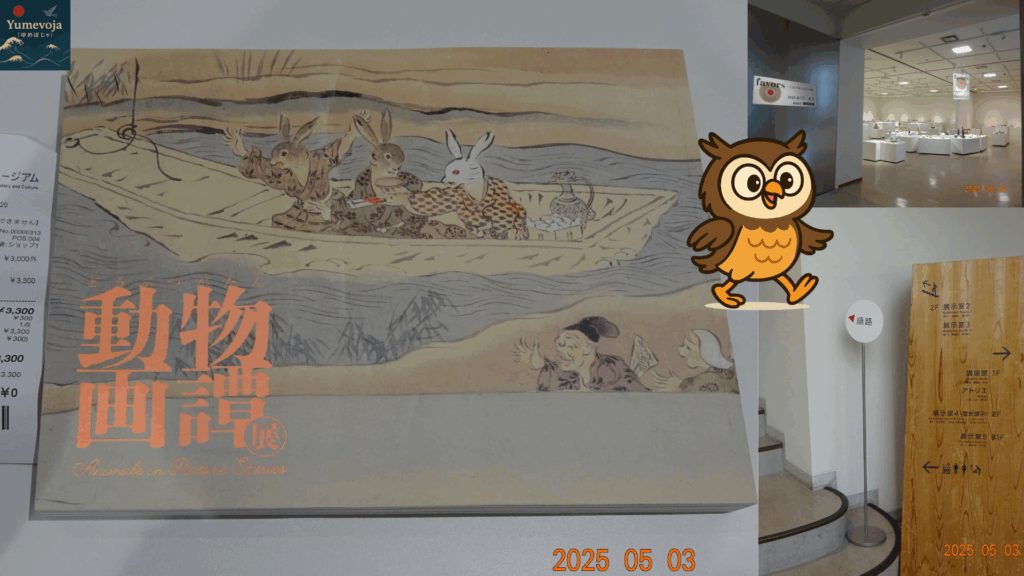
I decided to purchase the exhibition catalog as study material for illustration.
It revealed the warmth of brushstrokes and the delicate layering of color
that AI still struggles to capture.
For now, my folktale introductions remain without illustrations,
but someday I hope to add hand-drawn art
to accompany the famous tales I introduce.
That small wish became a new challenge and motivation for me.
🍶 Shirayuki Brewery Restaurant Chojugura
— Where Tradition Meets Today
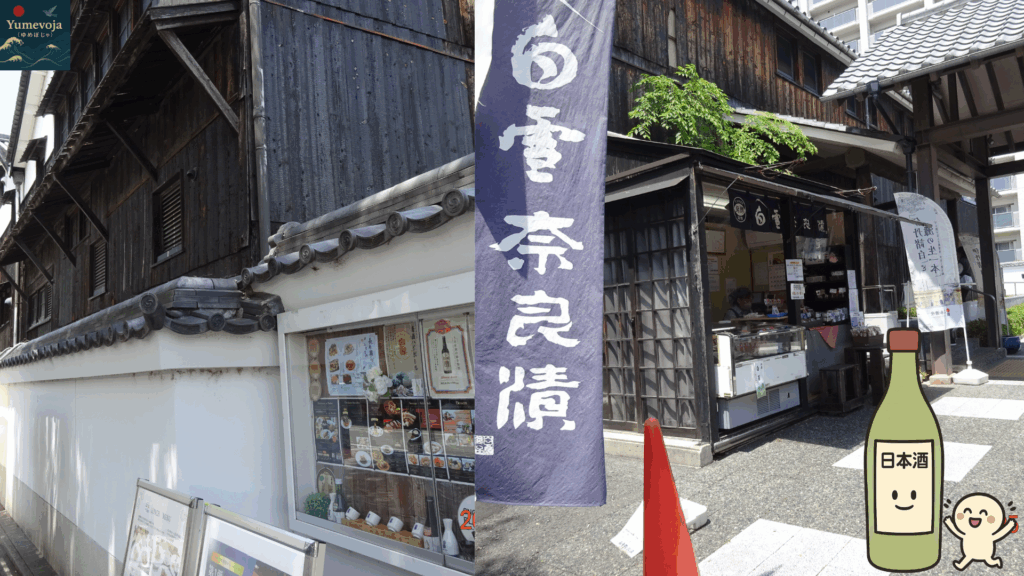
After the exhibition, I walked to a nearby place called Shirayuki Brewery Restaurant Chojugura.
It is run by Konishi Brewing, known since the Edo period for its sake “Shirayuki.”
The restaurant offers both Japanese sake and craft beer to enjoy.
Here, you can taste why this town is often called the birthplace of refined sake.
As the word “brewery” suggests, the restaurant also serves its own craft beer.
From light lagers to fragrant ales and even dark brews,
each style has its own character, and a small tasting set lets you compare them.
It’s an experience that goes beyond the idea of “Shirayuki equals only sake.”
In other words, this is a place where past and present in Japan’s drinking culture meet.
The lightness of craft beer and the depth of sake sit side by side,
inviting you to linger on the long-standing wisdom of fermentation.
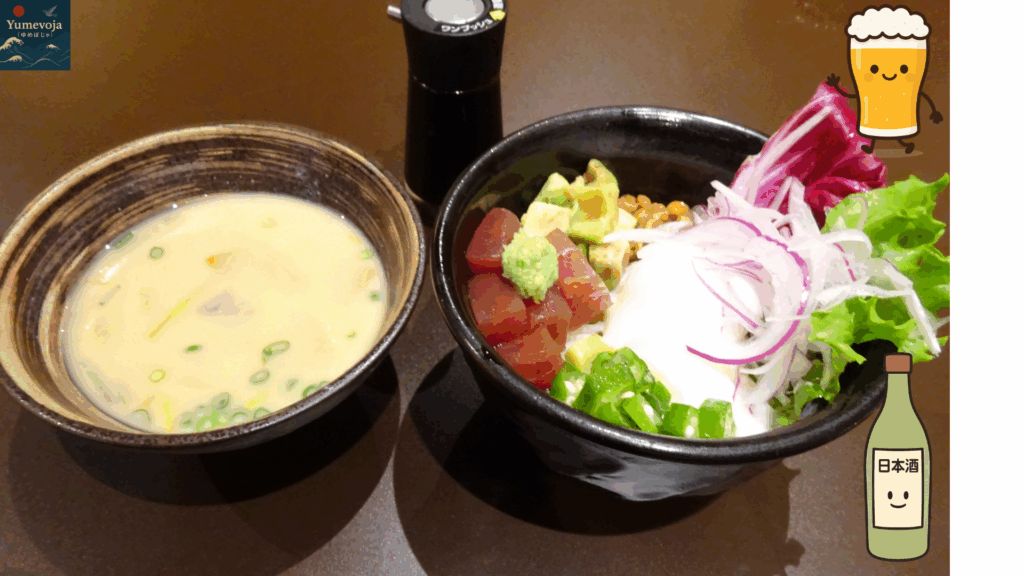
I ordered a set of kasu-jiru and an avocado rice bowl.
The kasu-jiru was rich and warming, as if the flavor settled deep inside the body.
The avocado bowl was a little unusual, but that, too, felt like part of the journey.
“Eating history” might be the closest way to describe that lunch.
👉 Related article:
🍵Beauty & Taste (Osaka)–Itami ① /② Shirayuki Brewery – A Cozy Avocado Bowl Lunch | YUMEVOJA
On the second floor, there was a display explaining morohaku brewing from the Edo period.
This innovative method uses only polished white rice,
and it is one of the reasons why Itami is still known as the birthplace of refined sake today.

Next to the restaurant, there was a shop where you could sample their sake for a small fee.
I tried one after another, enjoying the differences, and ended up tasting almost everything.
I considered buying a bottle, but the thought of carrying it around made me hesitate.
They ship within Japan, though the postage makes you think twice,
and it seems they don’t offer overseas shipping.
Afterwards, I wandered through the town, enjoying the old brewery streets.
Walking past white-plastered walls and narrow paths that still carried the scent of wood,
I felt how deeply people here continue to value their traditions.

🪷 Reflection and Afternoon Transition
I spent the morning immersed in art, culture, and flavor —
a half-day that nourished both heart and mind.
It was a reminder that beauty often lies
in the quiet space between culture and cuisine.
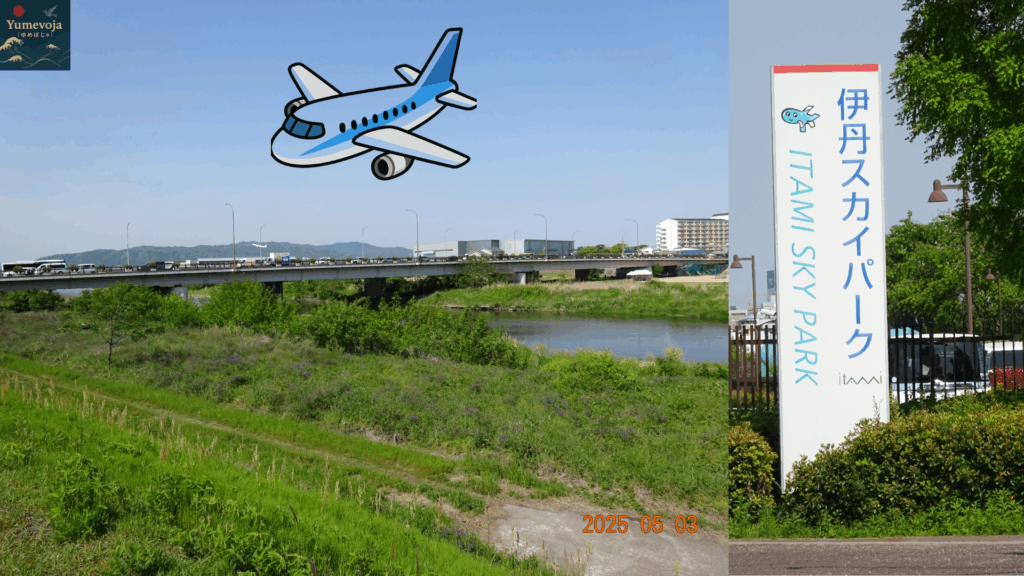
Next, I was heading toward the sky —
to Itami Sky Park and the riverbank spot
where planes pass just overhead before landing.
In the next story, I’ll share that overwhelming sense of power
through a short video set to music.
Coming next: Stopover Journey: Itami Part ②
— an afternoon filled with skies, motion, and quiet warmth.

Today’s bonus capsule!
✨ Gateway to the Showa Era— A Little White Cat That Connected the World —
The Showa era (1926–1989) was a time when modern technology and ideas began to transform everyday life in Japan.

🩷 1. Born in the Gentle Days of Showa
In 1974, during Japan’s soft-hearted Showa years,
a small white cat appeared on a Sanrio coin purse.
Her name was Kitty, wearing a red ribbon.
It was a time when Japan’s rapid growth had slowed,
and people began seeking comfort and kindness in everyday life.
💬 2. The Language of Silence
Hello Kitty has no mouth.
It’s not an absence — it’s an invitation.
When you’re sad, she looks sad.
When you’re happy, she smiles with you.
She’s a mirror of emotion,
a character who listens more than she speaks —
a quiet companion for every heart.
🌸 3. When “Kawaii” Became a Culture
The word kawaii grew to mean more than “cute.”
It came to express tenderness, empathy, and care.
As Japan rediscovered its smile after difficult years,
Hello Kitty became a gentle light —
showing that kindness itself could be a form of strength.
Through her, “cute” evolved into a shared language of comfort.
🌏 4. A Smile That Crosses Borders
Today, Hello Kitty is loved all over the world.
From handbags to airplanes, from art to fashion,
she carries a message that needs no translation:
softness is powerful.
Quiet yet warm, she embodies
the spirit Japan offered to the world —
a small symbol of hope wrapped in kindness.
🐾 Born in Showa,
smiling across the world —
proof that kindness needs no words.