Visit: May 3, 2025
🥑 A Curious Avocado Rice Bowl & A Comforting Sake Lees Soup
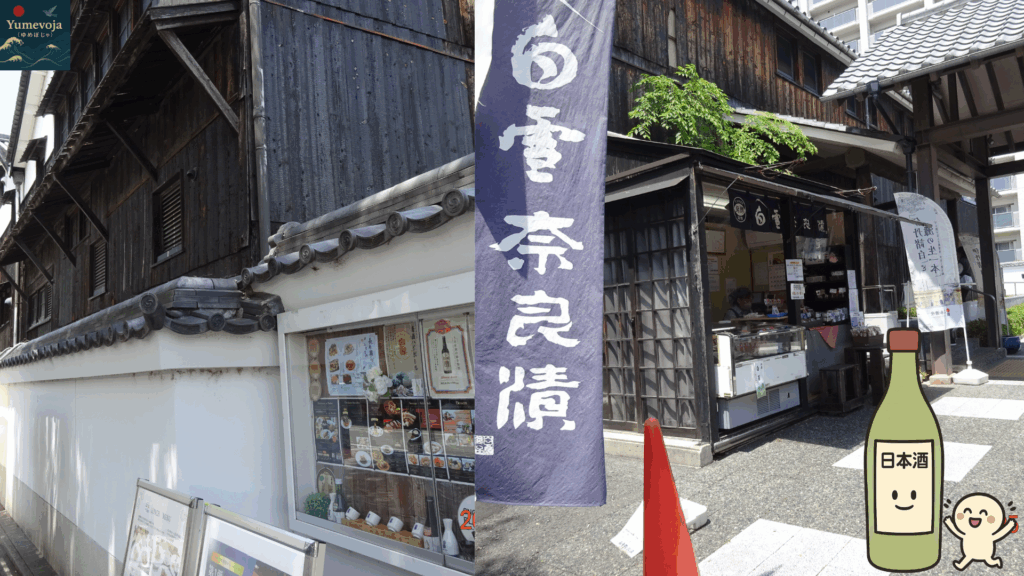
After exploring the exhibition at the Itami Museum, I walked a few minutes to the restaurant Shirayuki Brewery Restaurant Chōju-gura.
Its exterior still looks like a traditional sake brewery, but once inside, the atmosphere changes completely.
Instead of wooden beams and earthen walls typical of Japanese breweries, the space is filled with beer barrels and glass lighting—a fully Western-style beer hall.
In one room, Japanese sake culture and craft beer culture coexist, leaving me wondering, “Which one is the star here?”
🍲 Amazake Soup: A Bowl Where Tradition Quietly Lives On
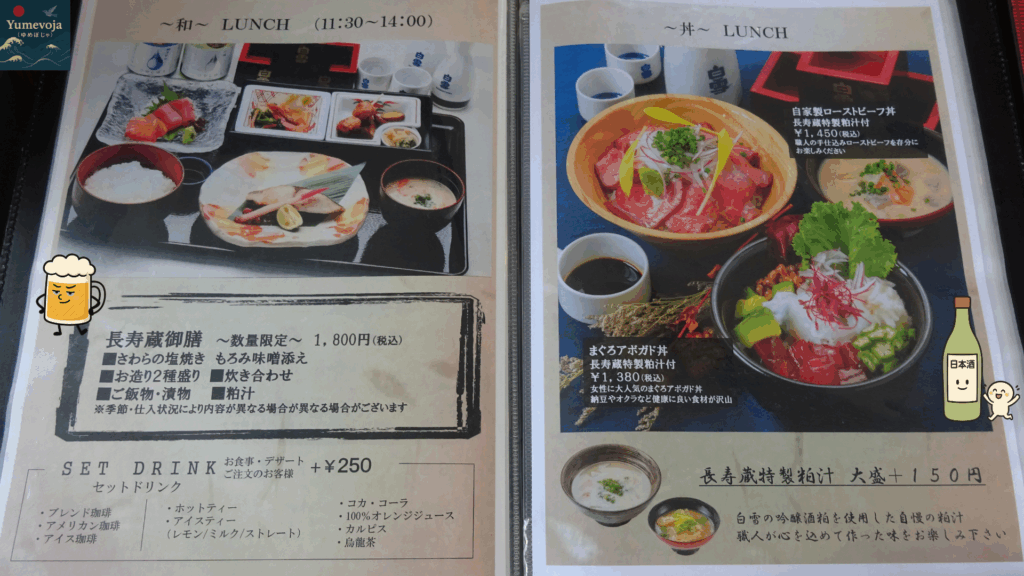
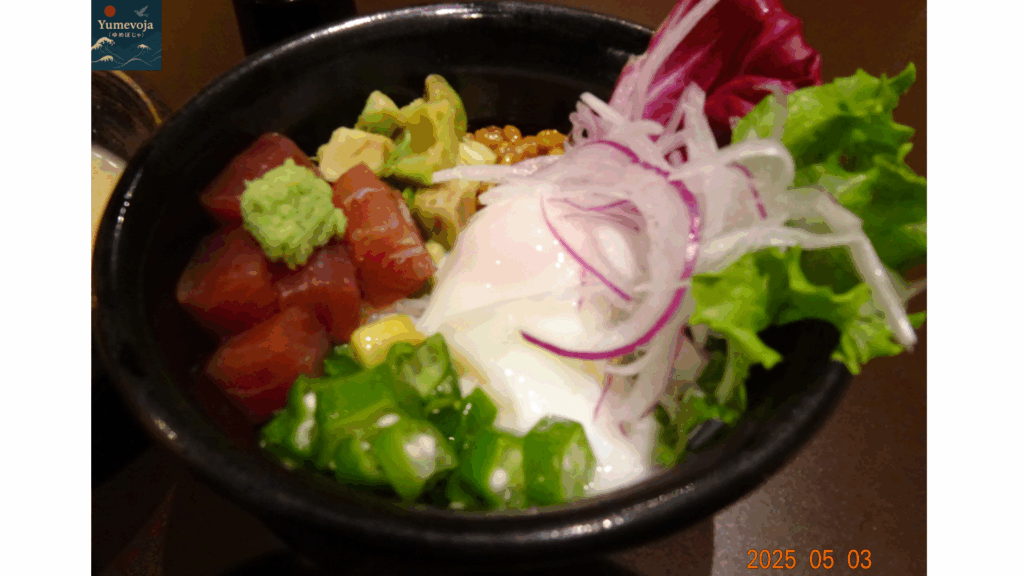
I ordered a set that included both amazake soup and an avocado rice bowl.
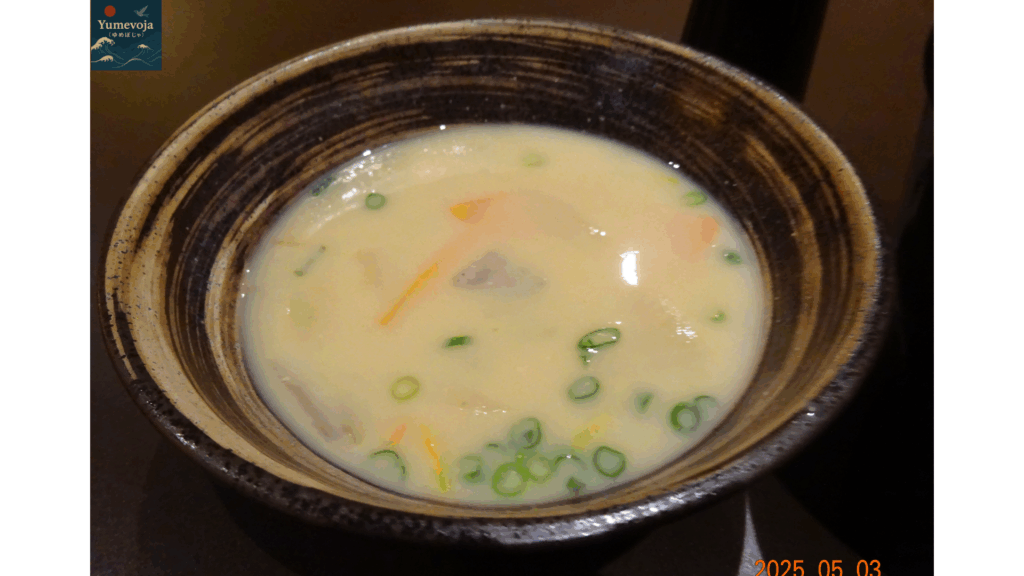
What surprised me first was the depth of flavor in the soup.
Its mellow richness, reminiscent of white miso, blended with the aroma of sake lees, creating a warmth that gently spread to the core of my body.
It was the kind of dish that made me think, “This is where a brewery’s true skill reveals itself.”
🥑 Avocado Rice Bowl: A Taste of Curiosity with a Hint of Unease
The avocado rice bowl I was curious enough to order turned out to feel slightly unbalanced, with the vegetables and rice not quite harmonizing.
The ingredients each had such strong personalities that it felt like the dish was missing one extra element to tie everything together.
Still, encounters like this are part of what makes traveling enjoyable.
There are days when we want to try something unusual—and that curiosity leads to new discoveries.
🍶 A Brewery or a Beer Hall? Enjoying the Border Between the Two
Konishi Brewing, the company that runs this restaurant, has been in operation since the 1550s, dating back to Japan’s Warring States period.
On the second floor, there is a small museum showcasing the history of sake brewing, including an exhibit on Morohaku, the innovative Edo-period technique that helped transform Japanese sake.
Yet when you walk downstairs, the spotlight shifts to their own craft beer in a Western-style hall.
Sake and beer, tradition and innovation—everything stands side by side without clear boundaries.
That very sense of “pleasant confusion” is what made the experience feel uniquely Itami to me.

🥂 Small Sake Tastings at the Brewery Shop
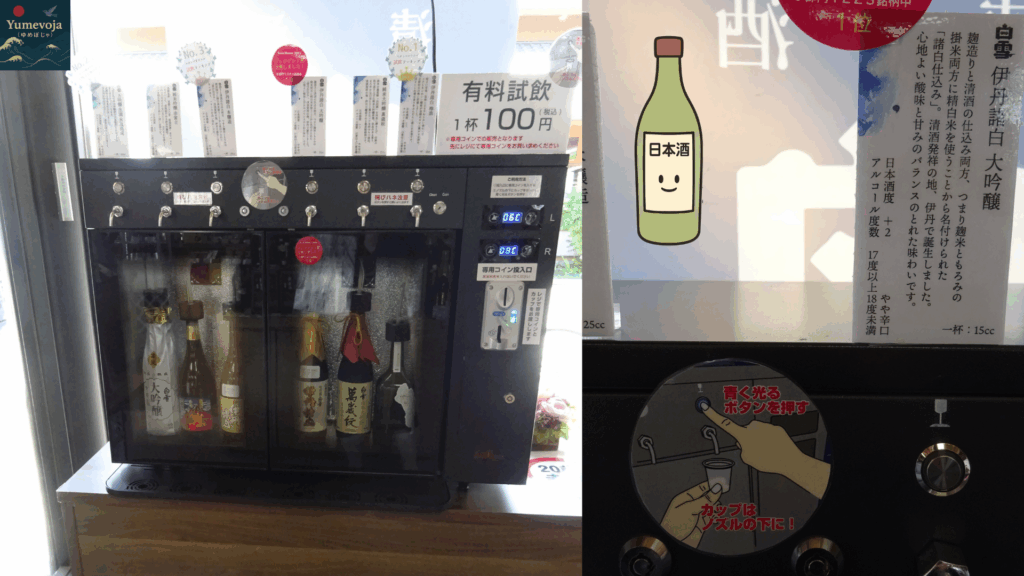
After the meal, I headed to the adjoining brewery shop to try their coin-operated sake tastings.
You first purchase a special coin with a small paper cup at the register, then insert the coin into the machine next to the bottle you want to taste.
Pressing the button fills the tiny cup with sake, slowly and quietly, making it an easy and playful way to compare different flavors.
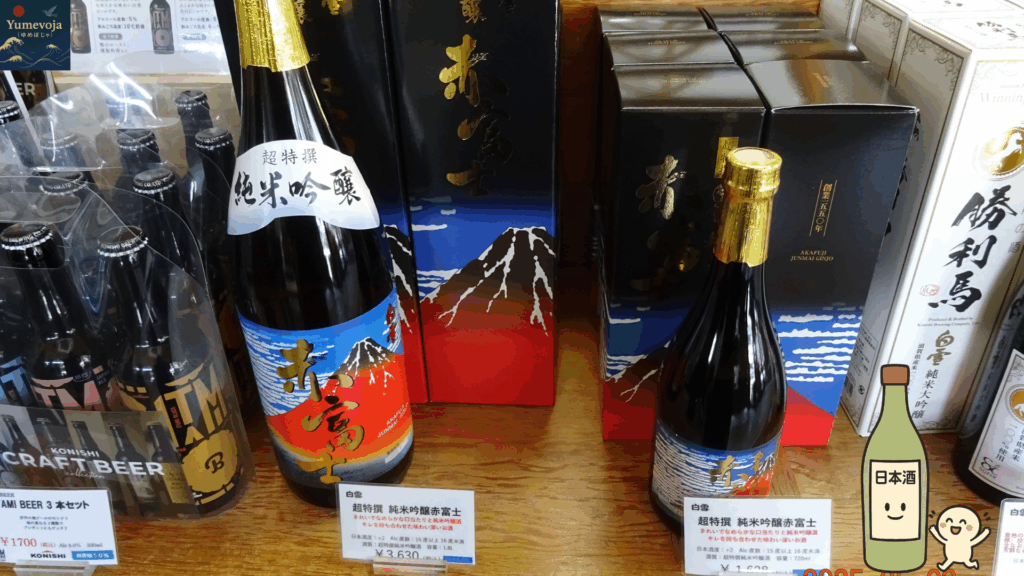
One bottle with a striking red “Mount Fuji” label caught my eye.
It tasted as beautiful as it looked, but I decided not to buy it—carrying a glass bottle around would have been too much trouble.
Although they do offer shipping, I chose to save it for my next visit, as something to look forward to.
It’s the maker’s contradictions that make the flavor more intriguing.
🍽️ Recommended Ways to Enjoy
| Highlight | Tip |
|---|---|
| Amazake Soup | A must-try to experience the craftsmanship of the brewery. |
| Avocado Rice Bowl | Perfect for curious eaters who enjoy trying bold flavors. |
| Brewery Museum | Learn the roots of Itami’s sake and its historical innovations. |
| Coin Tasting | A playful way to discover your favorite sake without commitment. |
When in doubt, the amazake soup alone is worth the visit.
And if you find a sake you like, save it as a souvenir for your next trip — that anticipation becomes part of the joy.
👉 Related article:
🚉 Stopover Journey (Osaka) – Itami ① /② A Journey into Art and Japanese Sake Culture |YUMEVOJA

Today’s bonus capsule!
✨ Gateway to the Showa Era
―Showa Hanging Health Bar
The Showa era (1926–1989) was a time when modern technology and ideas began to transform everyday life in Japan.
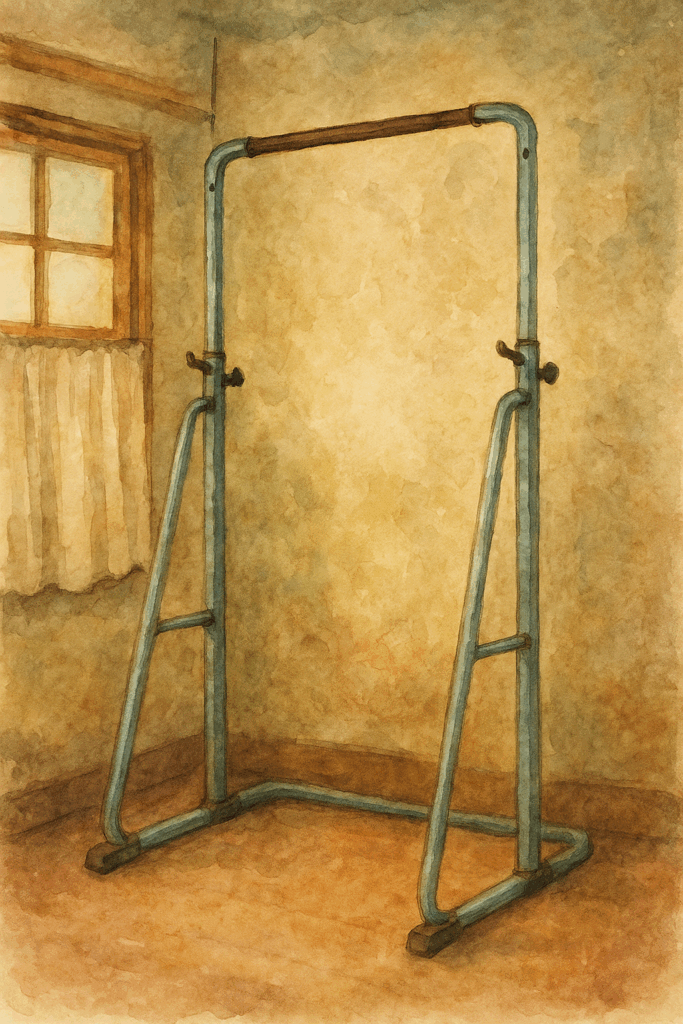
As the years moved into the Reiwa era, the “Hanging Health Bar” from Showa days gradually disappeared from ordinary homes.
You almost never see the original, simple structure in modern urban gyms either.
But the culture of “hanging for health” has not vanished completely.
Today’s fitness gyms feature more advanced versions — sturdy chin-up bars and pull-up stations designed for real strength training.
And the classic Showa-style hanging bar still survives quietly in small countryside sento bathhouses and old-fashioned local gyms,
standing there just as it did decades ago.