Visit: May 6, 2025
A day spent visiting museums
does not always unfold only inside exhibition rooms.
Along the way,
between one plan and the next,
the time encountered in a place you stop by almost accidentally
can slowly reveal its value later.
Hagoromo, on this day,
was one of those quiet stopovers.
■ An Unexpected Lunch at Hagoromo Station Building
Hagoromo Station on the Nankai Main Line,
and Higashi-Hagoromo Station on the JR Hanwa Line.
Directly connected to both stations is the station building Icone Hagoromo,
and on its second floor is the café and restaurant area known as Hagoromo Terrace.
It’s a very practical place,
easy to reach even on rainy days without getting wet.
The goal that day was clear:
a Japanese bento lunch limited to just 20 servings per day.
Regular customers had already placed their orders,
and for a moment I felt a small rush of tension—
Would I make it in time?
But in the end, I just made it.
Even these small moments of nervous anticipation
can become part of the spice of travel.
■ A Japanese Bento That Gently Eases the Heart
The bento that was brought to the table
was not flashy,
but each item was carefully prepared,
giving a quiet sense of reassurance.
Salad, fried dishes, tamagoyaki, and roast beef.
Among them, what stayed with me most
was the kiriboshi daikon,
dried shredded daikon dressed with mayonnaise.
A familiar staple of Japanese home cooking,
presented with just a small twist.
That subtle touch of creativity
felt unexpectedly pleasing.
It wasn’t “luxurious.”
But it was comforting.
As a lunch before heading to the next museum,
it offered just the right amount of breathing space.
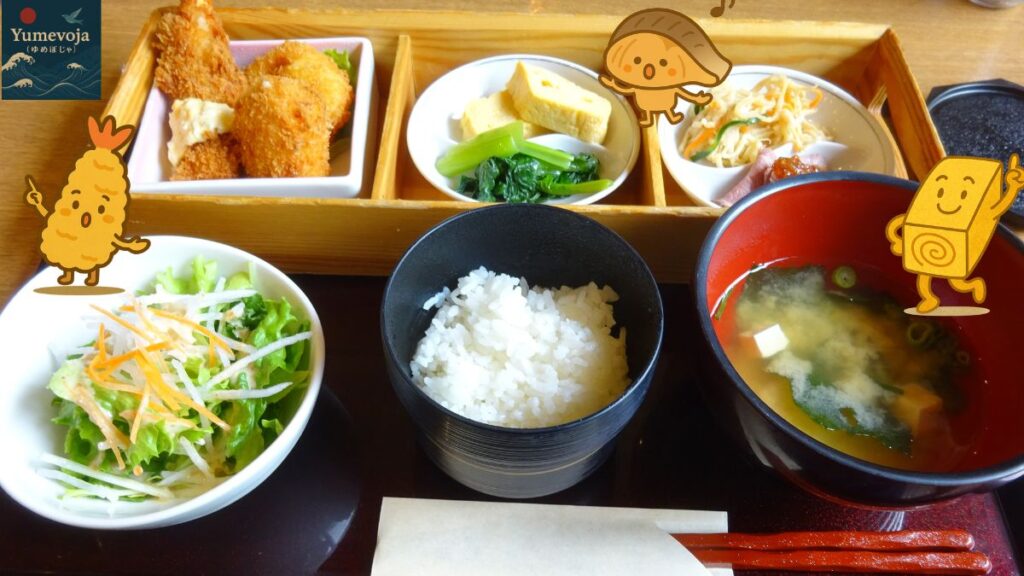
“The roast beef was hidden behind the bowl… a painful mistake.”
📎 Read Also
For a more detailed look at the dishes enjoyed on this day,
🍵 Beauty & Taste (Osaka – Art Museum Days) ②Hagoromo Terrace Lunch — A Comforting Japanese Set Meal | YUMEVOJA
■ Wandering Through Shinsekai Between Plans
I arrived in Tennoji a little earlier than planned.
The timing felt awkward.
I was scheduled to visit the Osaka Municipal Museum of Art later,
and I wasn’t in the mood for a drink.
At times like this,
I simply walk through Shinsekai.
I don’t do anything particularly touristy.
I take in the liveliness from a slight distance,
watching the signs and the flow of people,
moving at my own pace.
When I get thirsty,
a drink from a vending machine is more than enough.
Time spent doing nothing
gently prepares the mind
for the next moment of “seeing.”
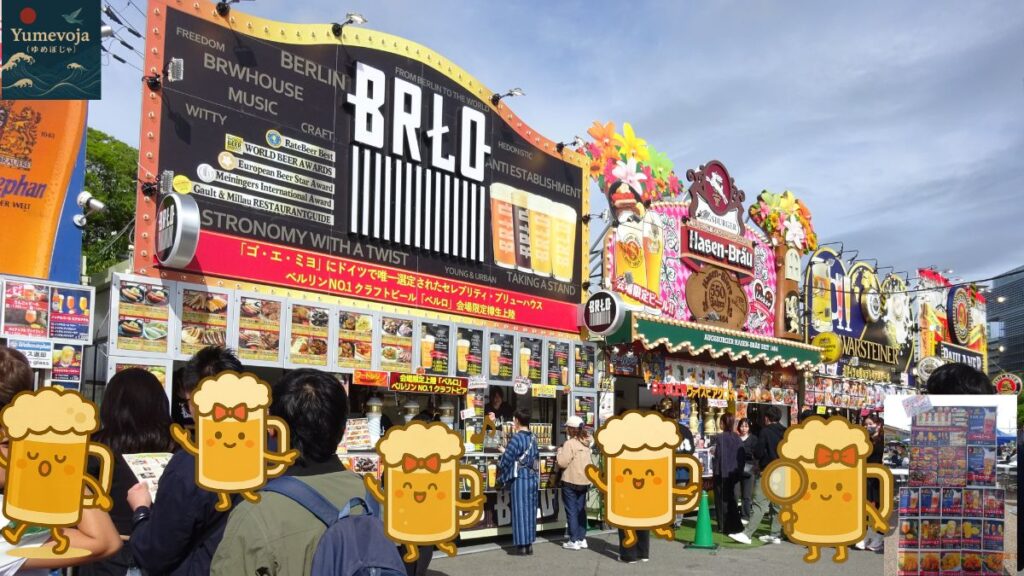
“A lively beer garden in front of Tennoji Station.
Too early for a drink — I passed this time.”
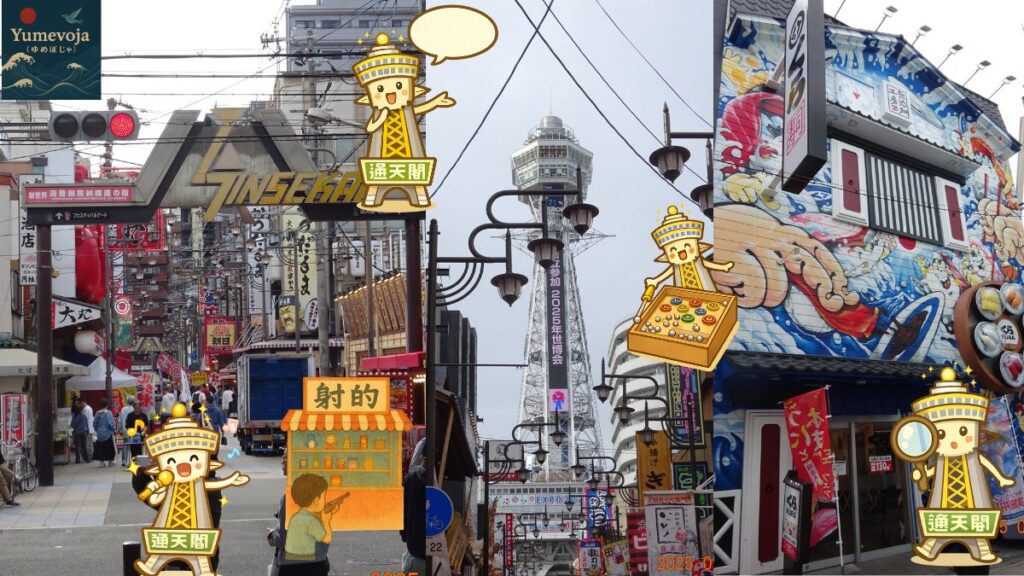
“Shinsekai — like a toy box.”
■ How a Stopover Deepens the Journey
That day unfolded as a day of art and Japanese sensibility,
moving from the Kobayashi Museum to Hagoromo, then Tennoji,
and finally to the Osaka Municipal Museum of Art.
Among all these places,
Hagoromo may have been the quietest.
Yet the limited bento lunch,
and the short time spent walking through Shinsekai,
gently set the rhythm for the entire day.
A stopover is not merely a place you pass through.
It can also be a place
that allows the journey’s breathing
to become just a little deeper.
👉 Related article:
🚉 Stopover Journey (Osaka – Art Museum Days) ①/③Kobayashi Museum — Edo Humor & the Poetic World of Yamada Sōsuke

Today’s bonus capsule!
✨ Gateway to the Showa Era―Bento
— What Was Quietly Packed into Everyday Life
The Showa era (1926–1989) was a time when modern technology and ideas began to transform everyday life in Japan.
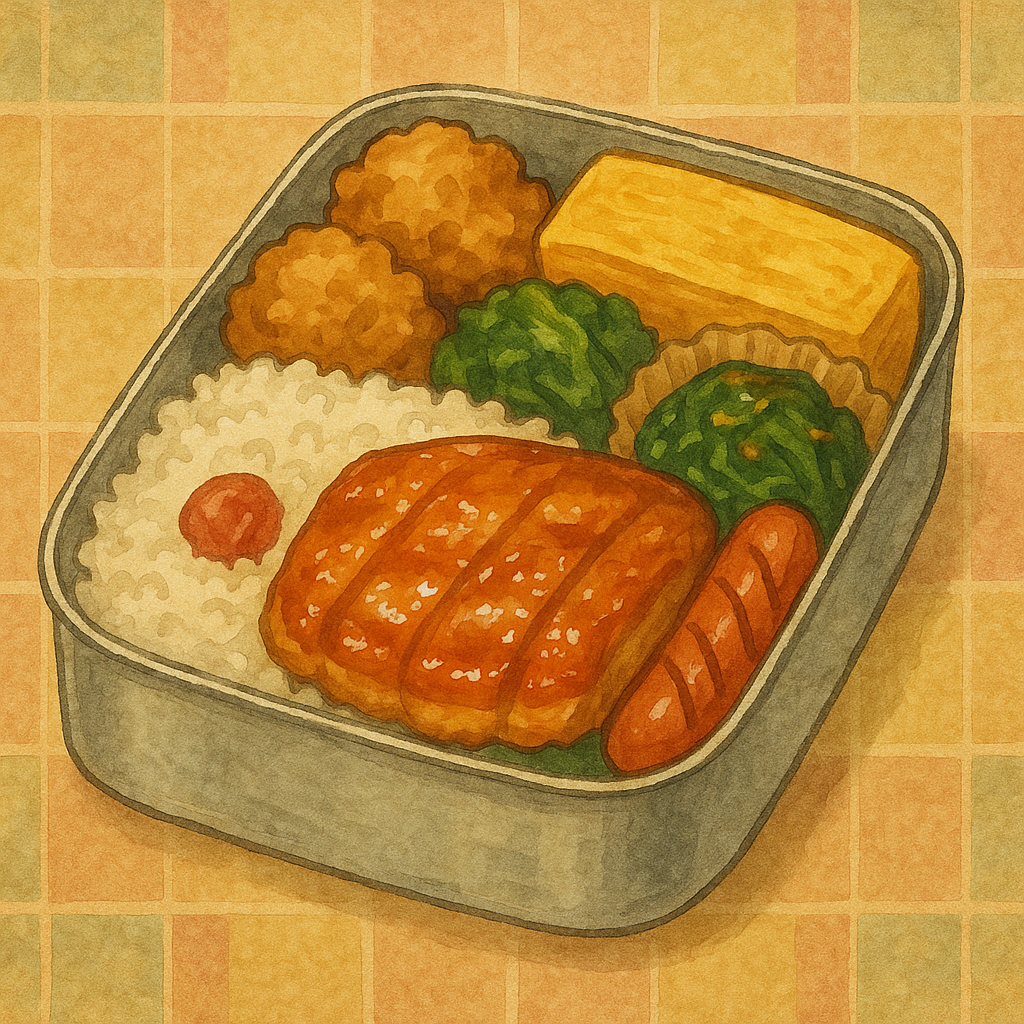
The origins of bento were very simple.
Rice was dried and carried for travel and work.
It began as portable food for survival,
taking shape slowly over a long period of time.
During the Edo period,
bento spread as food for cherry-blossom viewing, theater outings, and travel.
Attention was given to how food was arranged and presented,
and eating itself became something to be enjoyed as a moment.
In the Showa era,
bento became part of everyday life rather than something special.
Made at home and carried to school or work,
it was an ordinary lunch.
What mattered was not luxury, but sustainability —
something that could be prepared day after day.
When I was a child, my mother often asked,
“What would you like in your bento?”
And I always answered, “Chicken.”
She would sigh softly, but still find ways to change the flavors,
so that the same “chicken” would never feel exactly the same.
In an aluminum lunchbox,
there was rice and a few side dishes.
Inside were quiet care and steady effort,
meant to support someone through the day.
A Showa-era bento was a box
gently filled with everyday life and love.