Visit: November 16, 2025
I visited Five Country Cafe, a farm-style café located inside the Hyogo “Rakuno” Agricultural Lifestyle Center in Kobe’s western district.
The café stands on a wide stretch of land, with a new building that lets in plenty of sunlight.
A calm, unhurried mood filled the space—
the kind of atmosphere that suits a quiet Sunday afternoon.
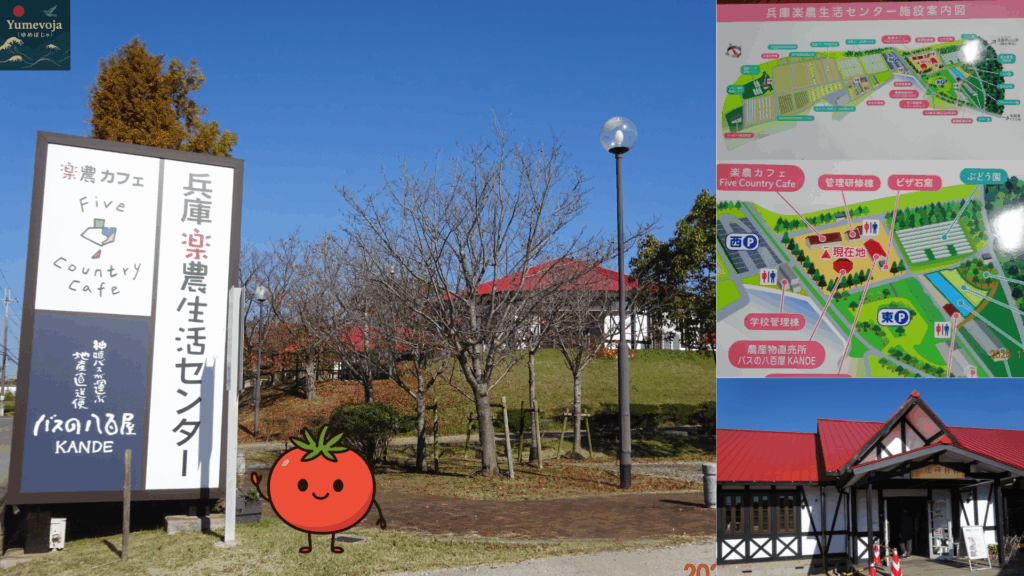
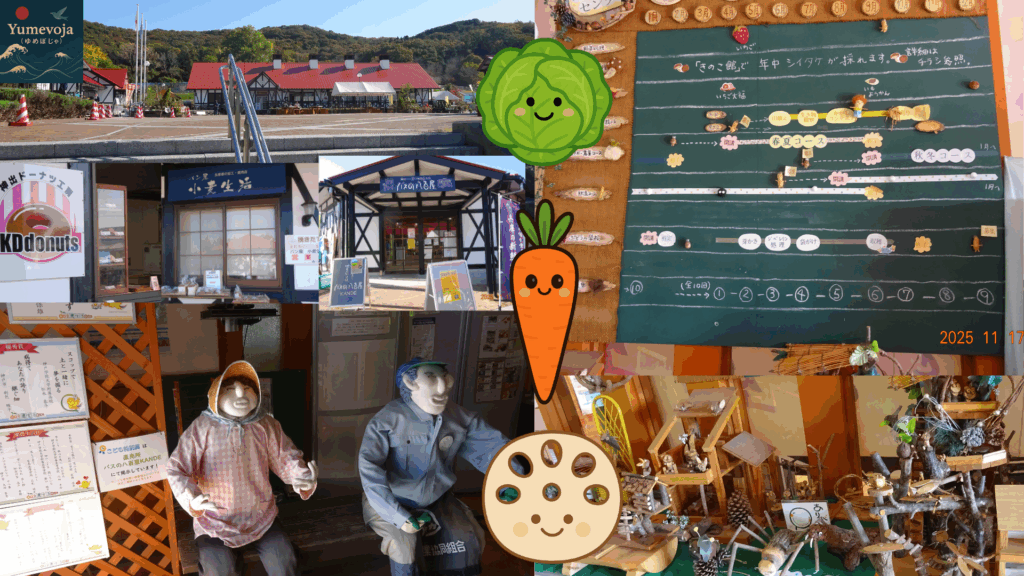
At the entrance of the café, I found myself a little unsure of what to do.
I wrote my name on the waiting list, yet no one came to greet me for a while.
It felt oddly old-fashioned — everything else here seemed automated, yet the check-in was still done on paper.
In the city, someone would usually speak to you right away,
but here, time seemed to move at a slower, countryside pace.
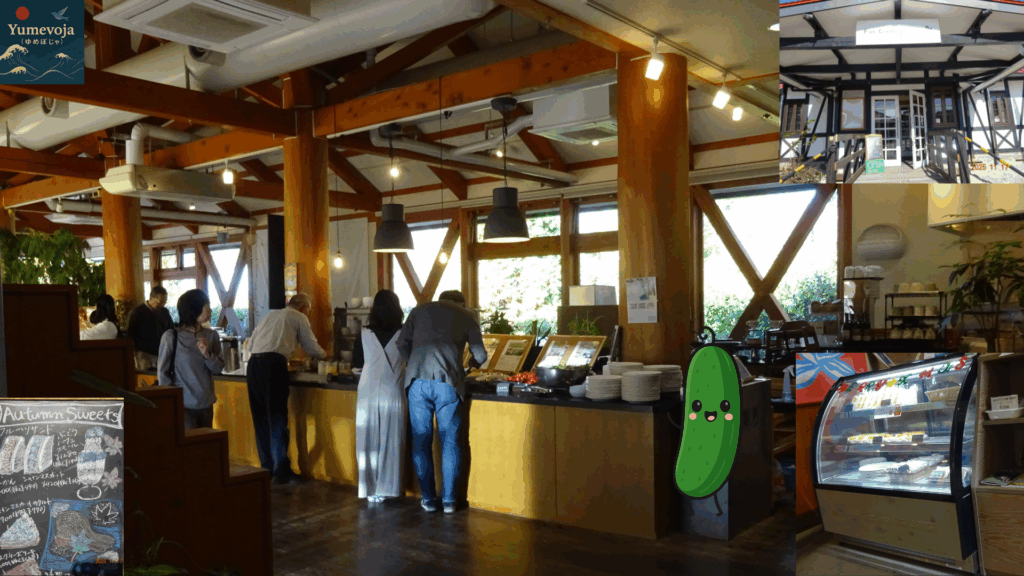
Once I was seated, my impression changed completely.
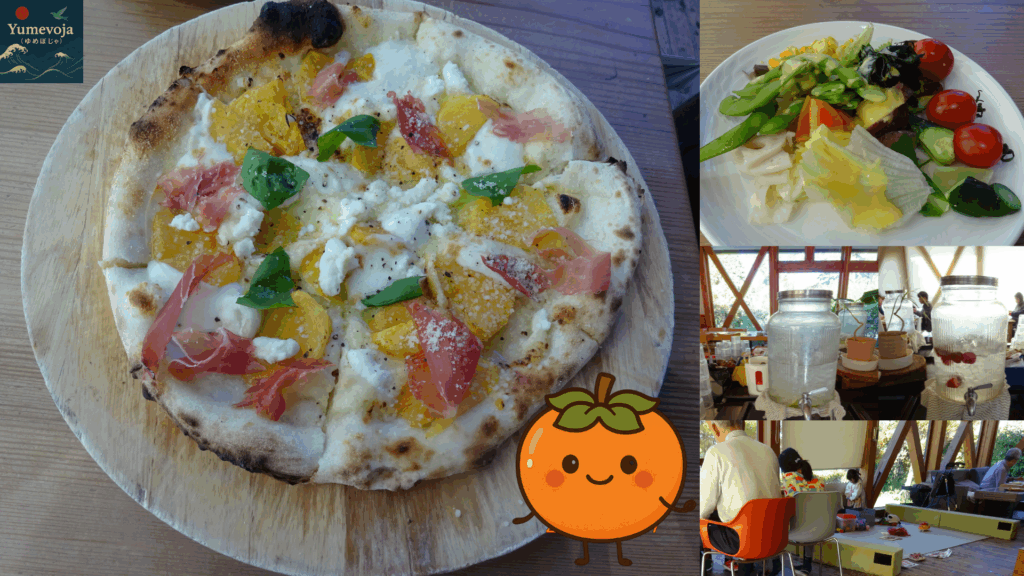
Service was quick, and the vegetables at the buffet were remarkably fresh.
The tomatoes were especially impressive — not watery at all,
as if they had been harvested only after fully ripening,
allowing their true flavor to develop.
The homemade yellow dressing, made from corn, was gentle in taste
and beautifully highlighted the sweetness of the vegetables.
There were also three kinds of detox water,
each gently infused with different fruits.
Rather than a sugary sweetness,
only the aroma and subtle flavor of the fruit slowly melted into the water—
a taste that felt honest and unmanufactured.
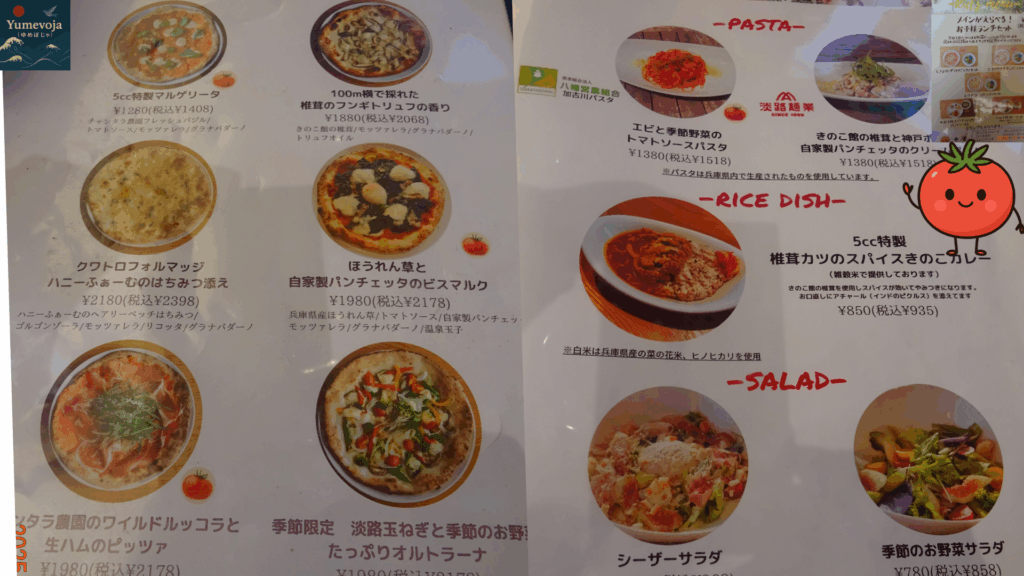
For my main dish, I chose the seasonal specialty:
a persimmon and white miso cream pizza.
A young staff member smiled and said, “It may sound unusual, but it really works.”
The gentle sweetness of the persimmon, the salty depth of white miso,
and the richness of the cheese came together in a surprisingly perfect harmony.
Despite the “bold experiment” of its ingredients, the flavor was astonishingly good—
less like a meal, and more like a quiet, comforting treat that eased the mind.
The pizza was clearly meant for sharing,
and for one person it was quite a large portion.
I had hoped to enjoy more of the vegetable buffet,
but refills ended at 2:30 p.m., and I realized it only after the time had passed.
It was a little disappointing to have just one plate,
yet the satisfaction of tasting such deeply flavorful vegetables
more than made up for it.
Looking around, I saw a group of women photographing their cakes,
children playing in the kids’ corner,
and three generations of a family enjoying lunch at an easy pace.
No one seemed to be in a hurry; everyone was simply spending time gently.
A quiet, unhurried time seemed to flow, far from the pace of the city.
Dining out can sometimes make you wonder
what exactly is being used in your food.
But today, there was none of that worry at all.
Both the vegetables and the sauces were handmade,
and I felt as if I had tasted a rare kind of luxury—
the luxury of eating out with complete peace of mind.
Luxury is sometimes criticized,
yet there is value in paying for something truly good—
something made with time and care.
This quiet lunch gently reminded me of that simple truth.
It’s located far from public transportation,
so visiting by car is practically essential.
Perhaps that distance is exactly what protects the quiet atmosphere here.
📎 Information (at the time of visit)
- Main Dish (Persimmon & White Miso Cream Pizza) + Vegetable Buffet
Total: 2,706 yen (tax included)
Prices and menu items may vary by season.

Today’s bonus capsule!
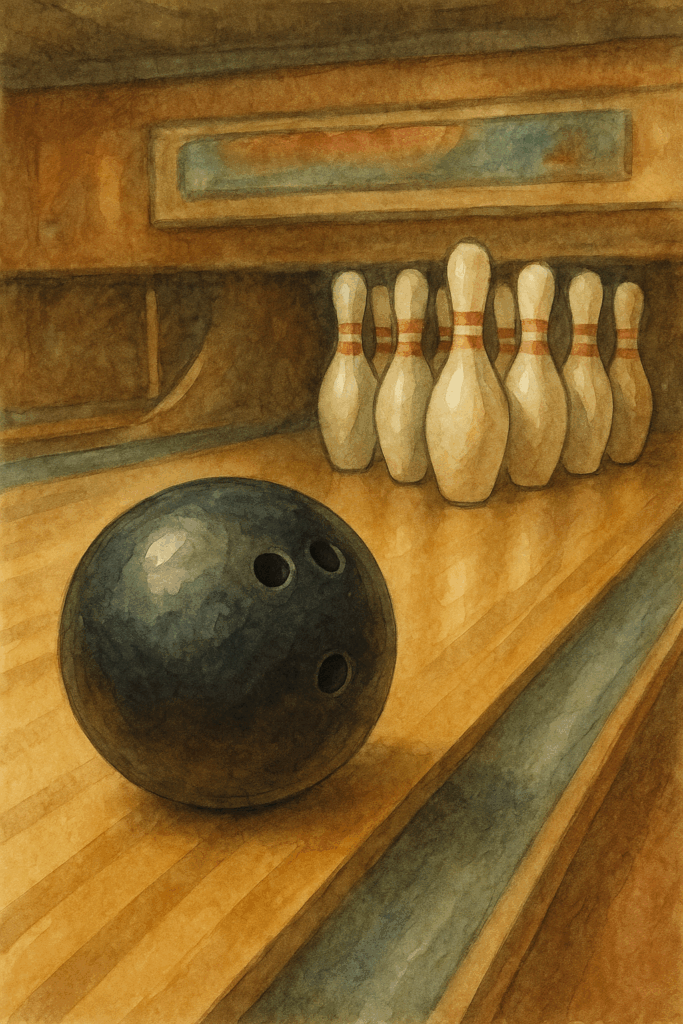
✨ Gateway to the Showa Era―🎳Bowling
The Showa era (1926–1989) was a time when modern technology and ideas began to transform everyday life in Japan.
① Our family memories began with handwritten score sheets
In the Showa era, bowling meant paper and pencil.
My father’s bold numbers, my mother’s soft round letters—
every stroke captured our family’s quiet weekends.
② Japan’s uniquely thoughtful bowling culture
Sock-vending machines, half-size shoe options,
spotless lanes, and overly polite staff.
Japanese bowling has always carried a gentle sense of care
found nowhere else in the world.
③ A truly Japanese evolution: entertainment all in one place
Bowling, karaoke, arcades—
a full day of fun under one roof.
This all-in-one style is a distinctly Japanese invention.
④ The one thing that never changed: the sound of falling pins
The handwriting is gone, and scores are digital now,
but the crash of the pins remains exactly the same—
the sound my parents once heard,
quietly connecting past and present.